What a Design System Isn't
If I had a coin for every time someone said “We have a design system” and pointed at a single Figma file, I’d have enough to buy lunch every day until I retire.
A design system isn’t just some colours, type, and a set of components — and it sure as isn’t a Figma file sitting in someone’s drafts folder.
A system is a shared foundation for how your organisation designs, builds, and delivers experiences. It’s what connects teams, reduces waste, and makes design work scale. Let’s bust a few myths and uncover what a design system really is — and isn’t.
Myth #1: A Design System is Just a Figma Library
A Figma file can be part of the system — but it isn’t the system.
A real design system includes:
- Components (yes, in both Figma and code)
- Design Tokens (colour, spacing, type, radius)
- Documentation and usage guidance
- A governance model
- A clear process for proposing and approving changes or new components
- Metrics to measure adoption, performance, and impact
- Accessibility baked in (WCAG, EAA, and any other compliance)
A Figma file alone doesn’t bring consistency, alignment, or clarity. It’s like handing someone Lego bricks without the instructions, the shared language, or the reason they fit together.
Real-world example
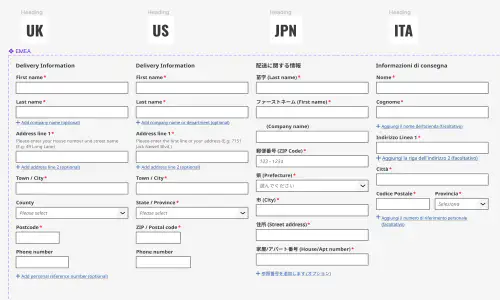
When I worked with RS Group, the global design system — ion — started as a Figma library. It quickly became clear that designers and developers needed a shared source of truth. We introduced design tokens, documentation, and governance to connect design and code. Adoption jumped across EMEA and APAC within months. More importantly, designers could create faster, and developers trusted what they built. The system became the common language for the whole digital organisation.Myth #2: It Kills Creativity
Wrong. It frees creativity.
A good system removes repetitive decisions and lets designers focus on what matters — the flow, the content, the real UX challenges.
Think of it like building with Lego: once you’ve got the right pieces and know how they connect, you can build anything without stress — and still create innovative, new things.
Design systems free you from pixel-pushing. They give teams the space to experiment with ideas that make real impact — not just debate whether the button corner radius should be 4 or 8.
Myth #3: It’s Just for Designers
A proper design system bridges design, product, and engineering. It creates a shared language, reduces friction, and helps everyone build faster with fewer bugs.
For developers, it’s about reliable components, tested patterns, and accessibility built in. For product teams, it’s a way to reduce delivery time and increase confidence. For designers, it’s clarity and creative freedom.
If developers aren’t using it, it’s not a system — it’s a style guide.
Real-world example
At Contemi Wealth, we built the Aurum Design System to unify product, design, and development across multiple white-label financial platforms. By aligning Figma tokens with code variables, we eliminated guesswork between teams. The result? Faster delivery, fewer accessibility issues, and consistent experiences across every client implementation. This enabled a small UX team of two to work with seven development teams.Myth #4: It’s One and Done
A design system isn’t a one-off project. It evolves with the product. It’s versioned, governed, documented, and maintained — or it becomes legacy faster than you think.
Without maintenance, a design system becomes a museum — full of good intentions but out of touch with reality.
Healthy systems have clear contribution models, review cycles, and regular audits. They measure adoption and identify what’s working and what needs pruning. It’s not about perfection; it’s about progress and adaptability.
What It Really Takes
A design system isn’t a box of parts. It’s a living set of agreements — built on shared understanding, supported by tools, and tested in the wild.
It aligns teams around a common purpose, freeing creativity and creating space for innovation at scale. A successful design system needs both sides of the coin — design and development — working together. Without that partnership, it loses balance and becomes either over-polished or under-built.
Most of all, it helps organisations deliver experiences that are consistent, accessible, and meaningful.
If your designers are copying buttons and your developers are building from scratch, you don’t have a system — you’ve got a mirage.
The good news? You can start small. One shared button, one token, one page of documentation — that’s how every real design system begins.
Key Take Away
A design system isn’t a project — it’s a product. It’s how teams collaborate, scale, and deliver accessible, consistent experiences that make life easier for both users and the people who build for them.TL;DR
Featured work
ion Design System
Global design system for RS Group
- Design System
- E-commerce
- B2B
Created a scalable, accessible design system adopted across RS Group’s global digital teams, aligning Figma and Tailwind through design tokens.
Client Onboarding
KYC onboarding for wealth management — faster, clearer, fewer errors

- SaaS
- Fintech
- Onboarding
- KYC
Co-created a configurable, advisor-led onboarding flow that reduced friction for investors and managers, and achieved 100% pre‑launch adoption with pilot customers.